
An extensive landscaping plan accompanies the planning application and proposes landscaping and planting measures including:
- New blocks of woodland to reflect the existing landscape character
- Existing hedgerow infilled wherever necessary with proposed native hedgerow species to ensure dense coverage, and maintained at a minimum height of 3.6m
- Extensive planting of native hedgerow trees across the site to reflect existing landscape features and strengthen historical field boundaries
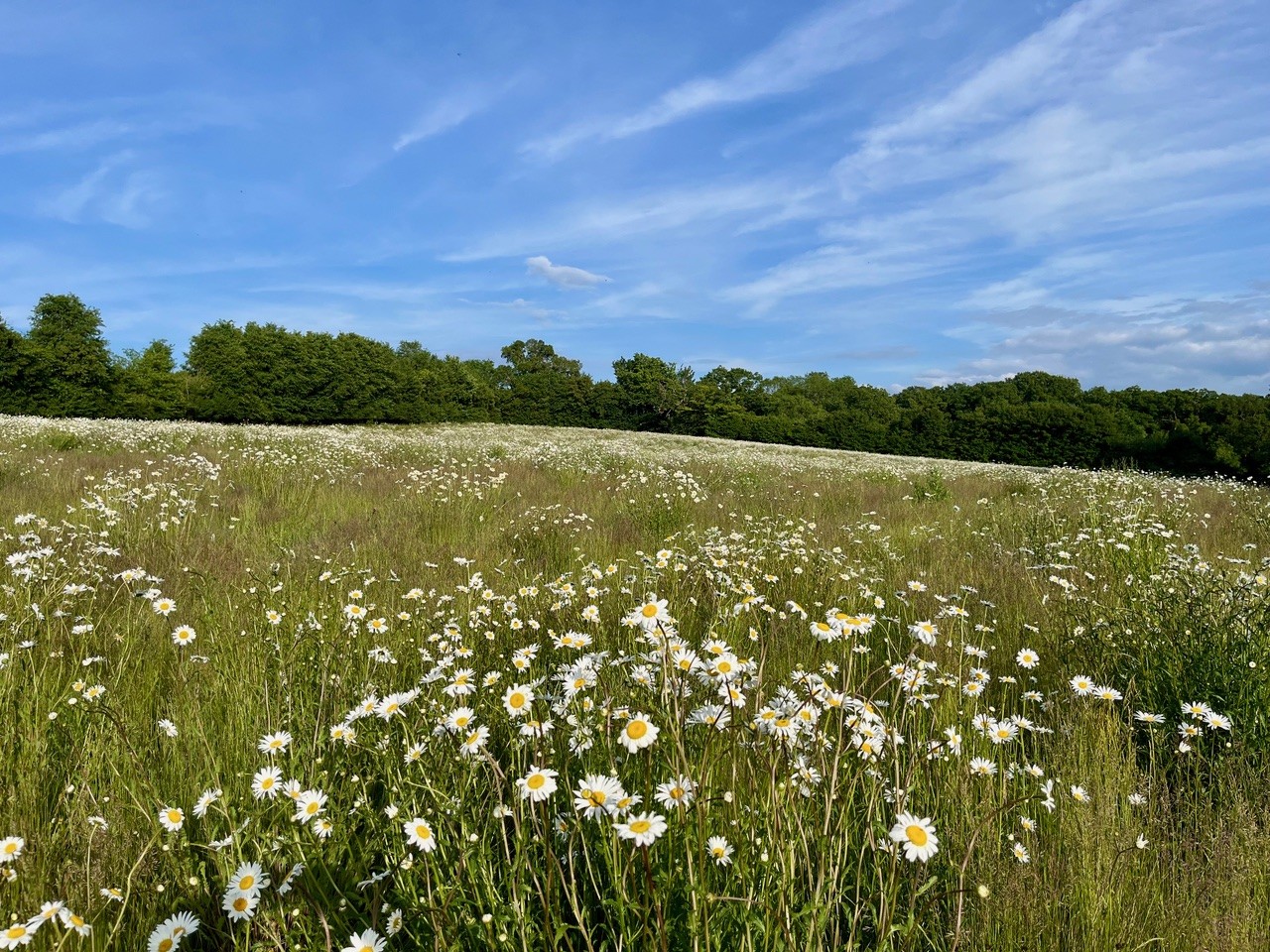
- Flower rich grassland areas within and outside of the perimeter fencing
These landscaping measures, as well as reducing potential visibility, will provide wildlife corridors and vital resources for mammals, birds, and insect species.
A Skylark Mitigation Strategy also accompanies the planning application and sets out how c. 70 acres of land will provide suitable additional habitat features to support a minimum of nine skylark territories. In addition to the skylark territories, the wildflower rich grassland will offer significantly improved foraging opportunities for skylark nesting adjacent to the solar farm, as the grassland habitats will support a larger biomass of insect prey items than the arable land they will replace.
No trees will be removed to facilitate the solar farm and bat roosting and bird nesting boxes are proposed around the site.
All of these measures combined would enable the solar farm to deliver a biodiversity net gain of 99% in habitat units and 48% in hedgerow units.
Landscape Plan
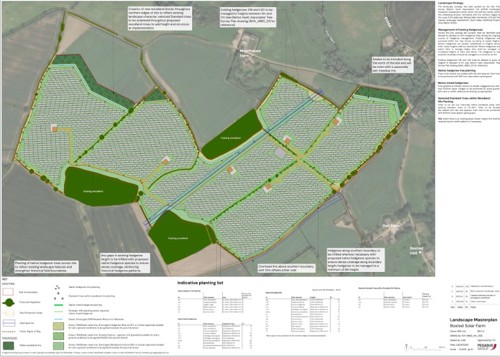
Click to view
Skylark Mitigation Strategy
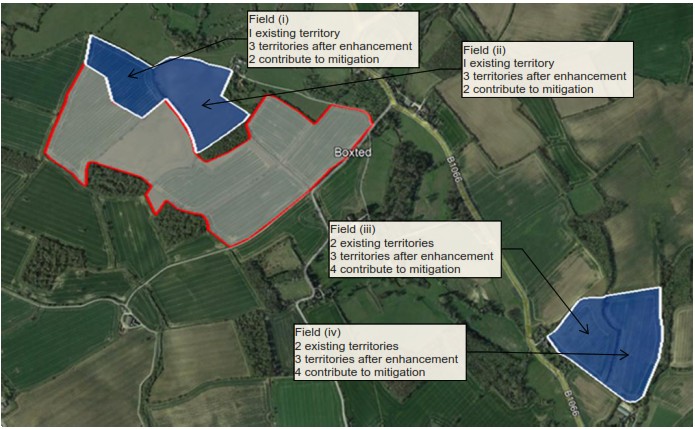
Click to view
Boxted Estate environmental stewardship
The Boxted Solar Farm proposal is located on the Boxted Hall Estate in Bury St Edmunds.
In recent years, Boxted Hall Estate has been prioritising local wildlife and enhancing biodiversity across the land. This includes projects such as:
- Woodland creation and management
- Wetland enhancement
- Floodplain restoration
- Pond restoration
- Wildlife meadows
The Boxted Solar Farm proposal is a natural progression of this work, offering a form of diversification that supports clean energy generation while helping to secure the estate’s future.
As many will know, farming in the UK is becoming increasingly challenging with climate change and extreme weather conditions impacting crop yields and water availability, while also degrading soil health from repeated tilling. To remain resilient in the face of these realities, Boxted Estate is diversifying its land use, while ensuring this aligns with its commitment to environmental stewardship and ensuring the land continues to contribute positively for years to come.
The following are examples of environmental stewardship projects currently ongoing at the Estate:
Floodplain restoration
In a meadow close to the Hall, old maps show a historic river channel of the River Glem which was moved in the 1800s to the edge of the meadow to feed the moat. This man-made and unnatural stretch of river interrupted the local biodiversity and failed to create a beneficial environment for the wildlife in the area.
As a result, a project was undertaken to reconnect the river to its historic floodplain by installing in-channel log flow deflectors, re-profiling the land, and encouraging water into the old channels and other areas in the meadow during high rainfall. This newly recreated seasonally wet meadow will store flood water in the wetter months and release it slowly back into the river. The winter of 2023/2024 was an excellent test of how the landscape would now behave and the pictures below show how positive it was.
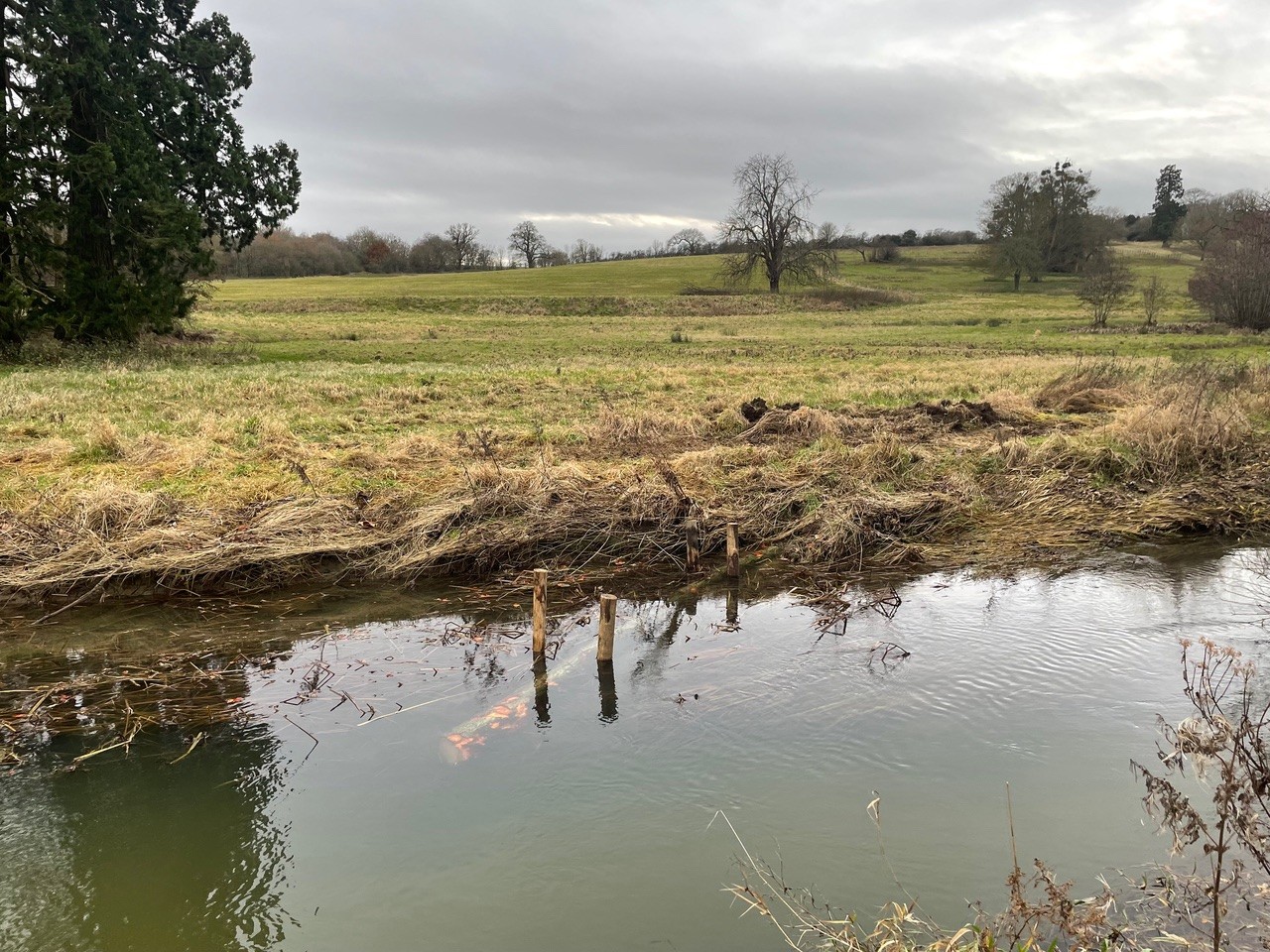
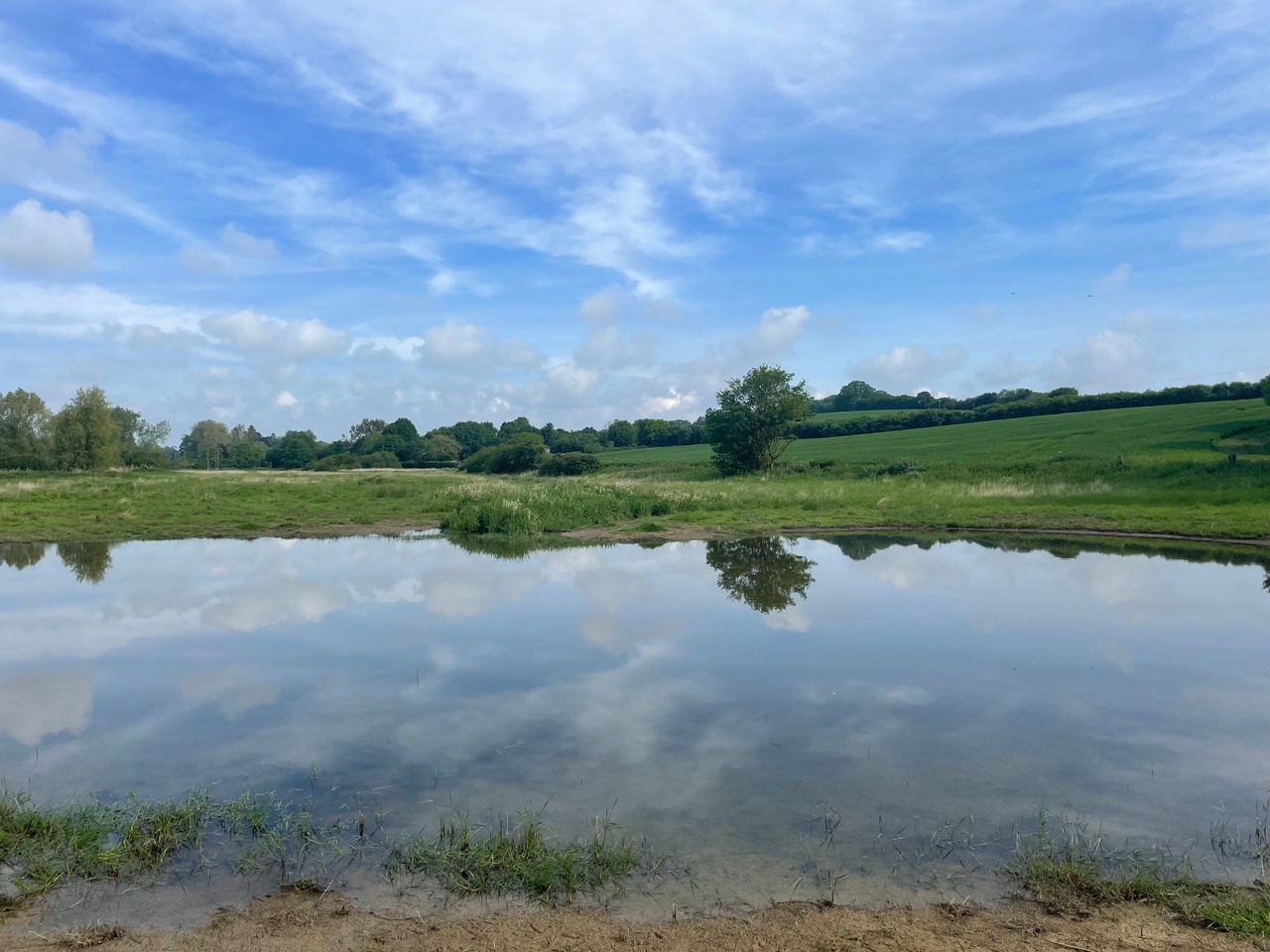
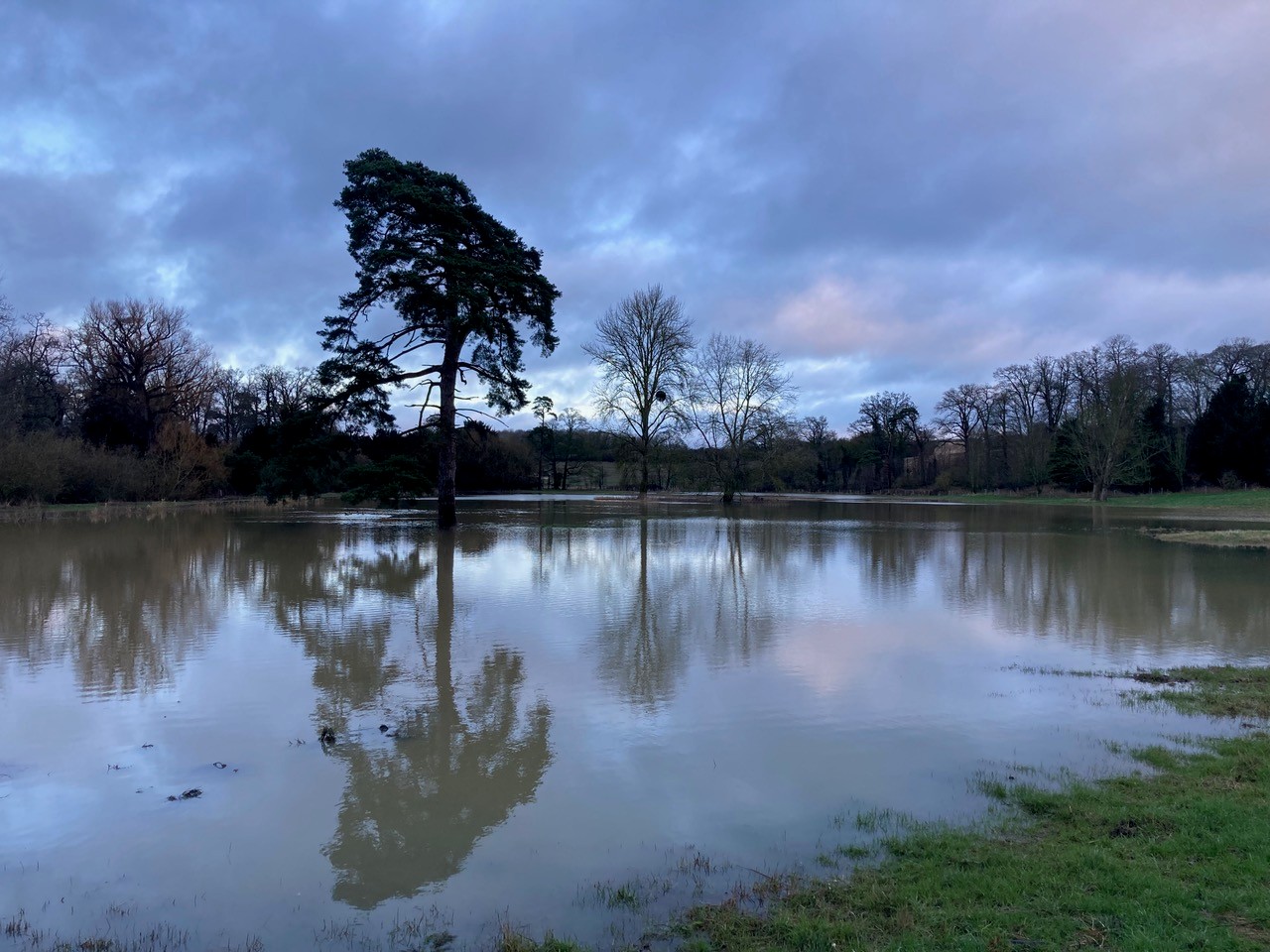
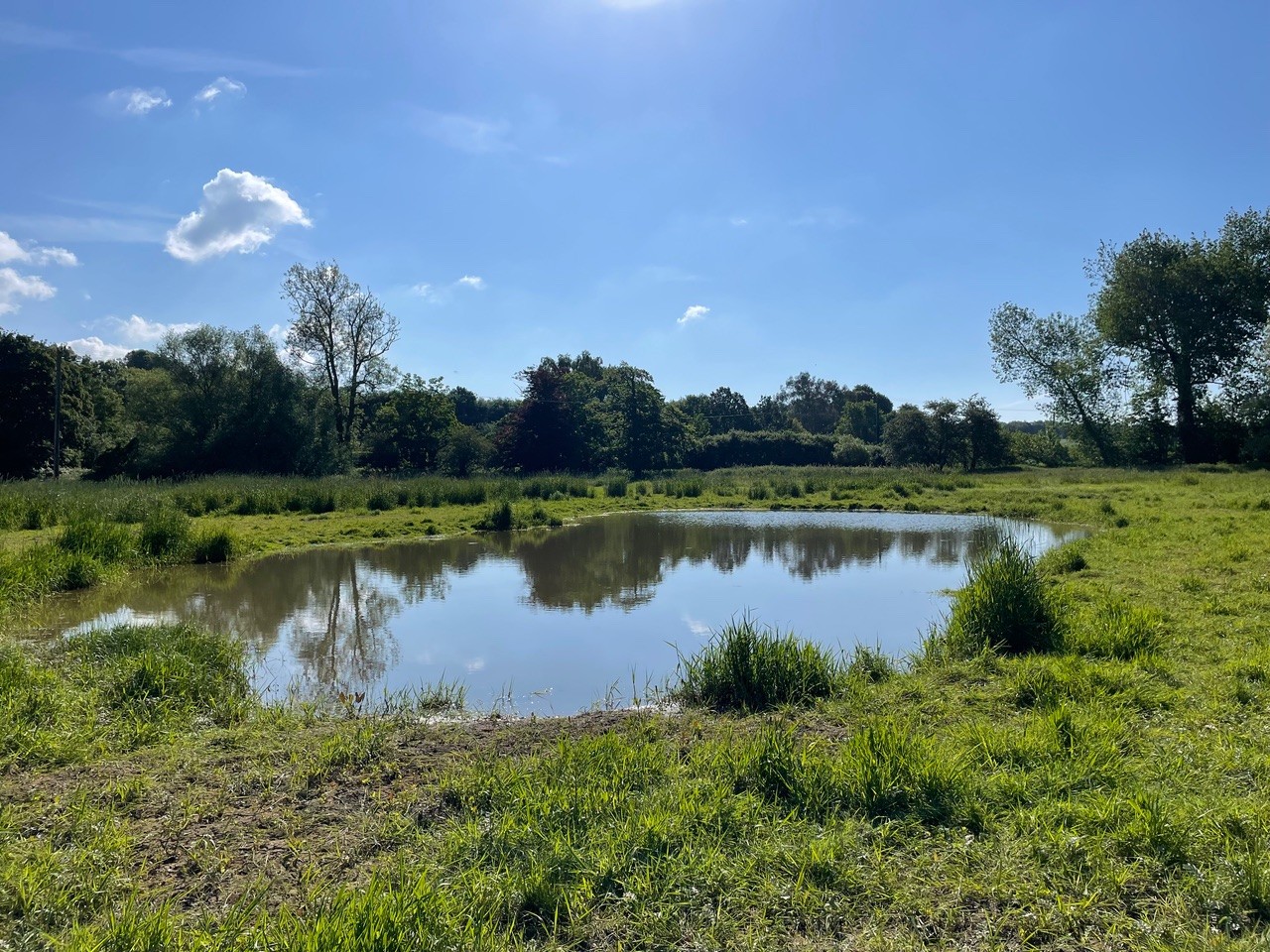
Slowing the flow of water, reinstating the historic river channel, and utilising the floodplain will not only provide significantly improved habitat for wintering waders, wildfowl and invertebrates, but will also provide natural flood defenses by slowing and holding water back upstream.
The project was funded by the Environment Agency and forms part of a series of projects taking place across the Wool Towns Farm Cluster area (a collective of farmers and landowners in West Suffolk working together to improve the environment).
Woodland management and creation
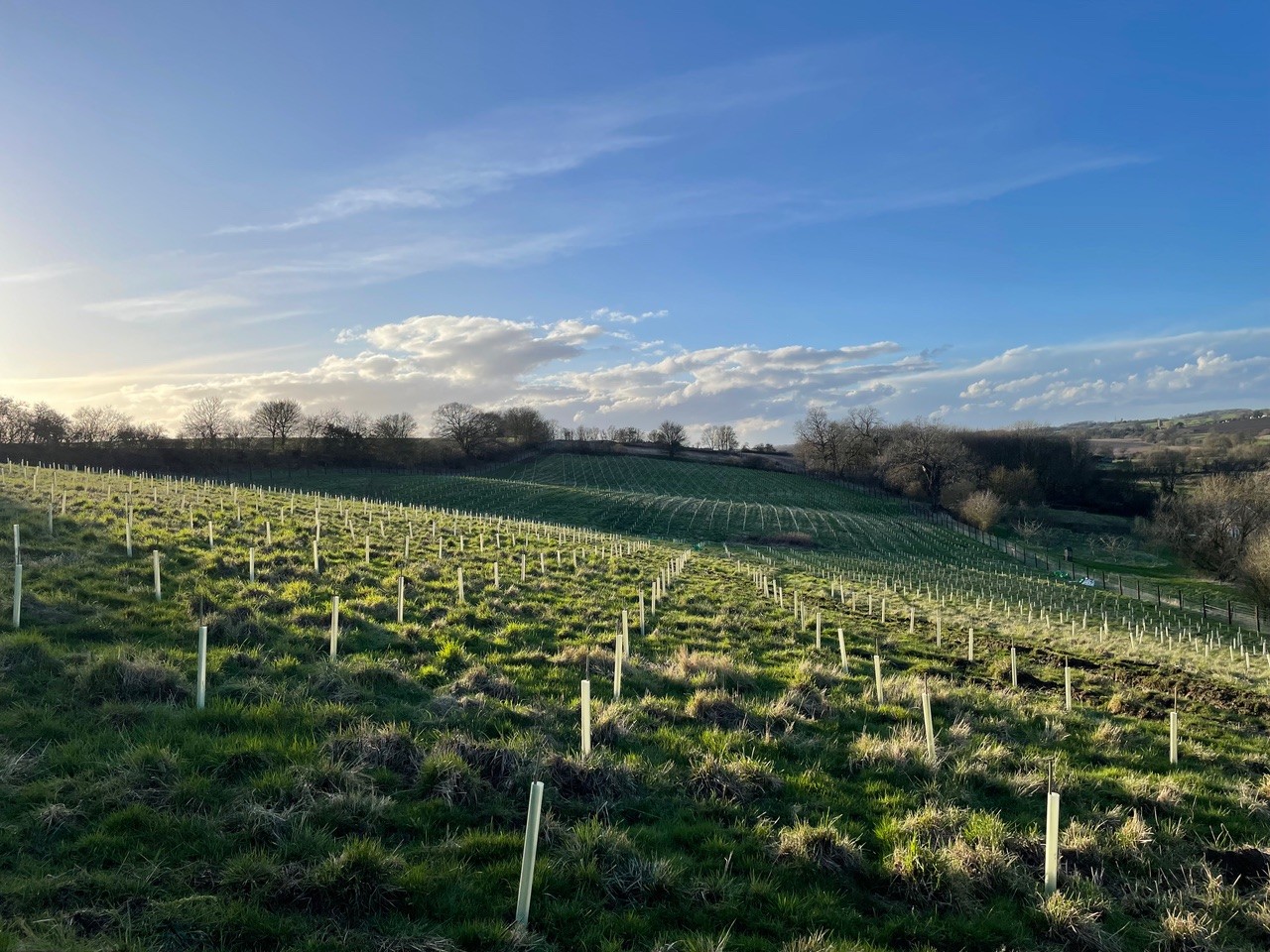
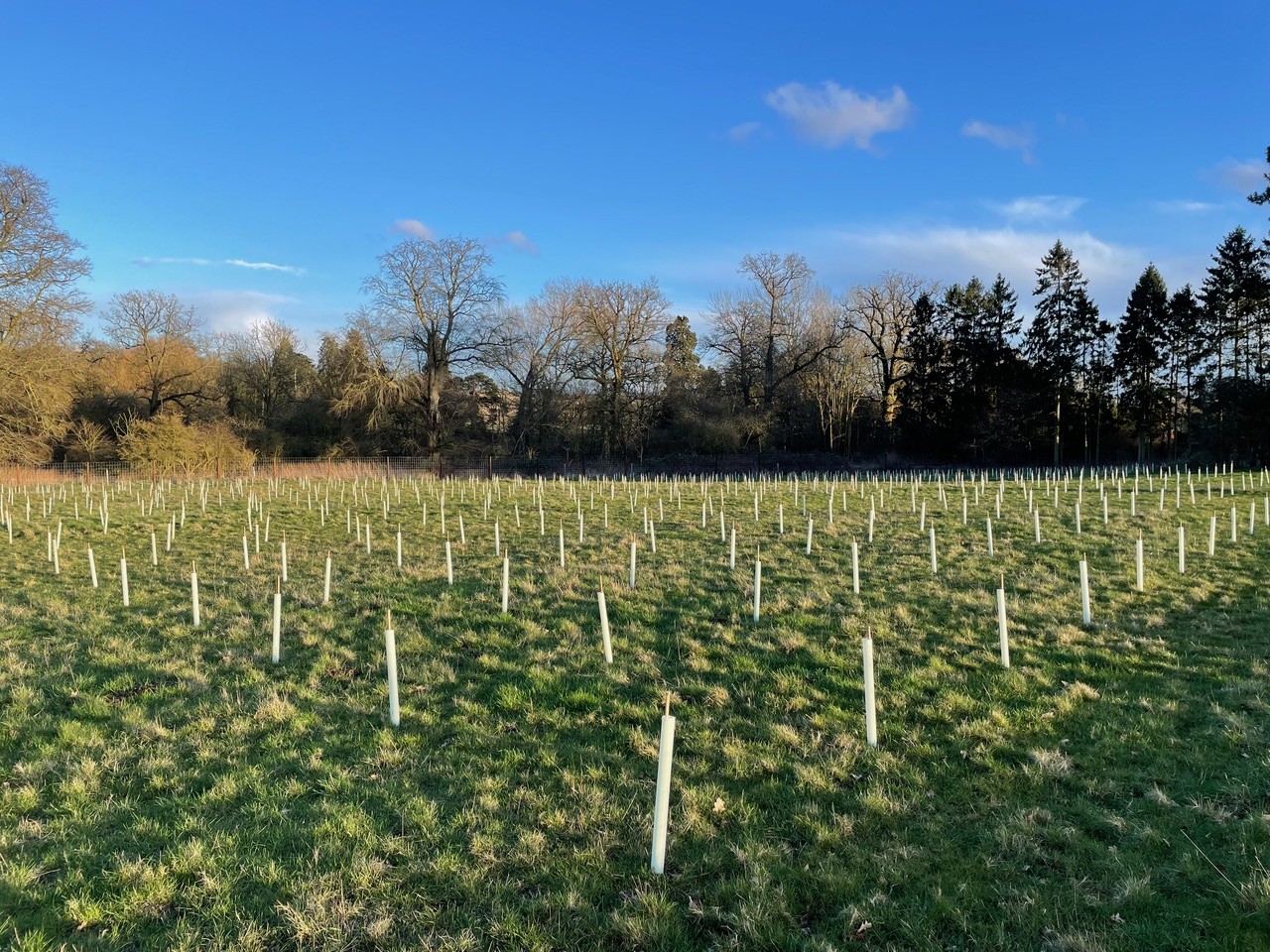
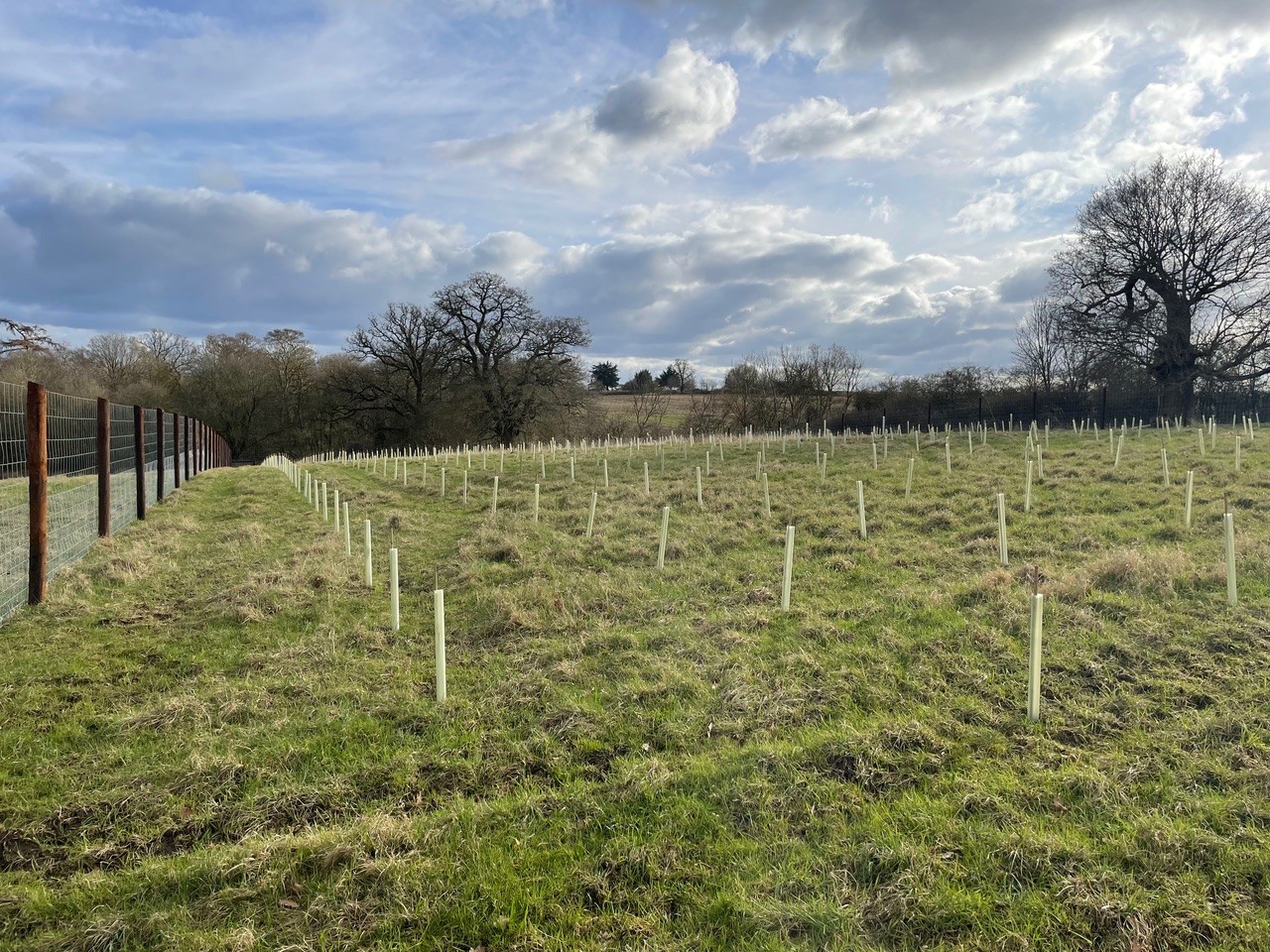
Additionally, with the existing woodlands on the estate having remained dormant for many years, the estate has now established a 10-year woodland management plan with the Forestry Commission. The work to bring light and air back into the woods will bring new life into the ancient environment and allow biodiversity to thrive.
Within these woodlands, a recent survey found 11 different species of bats along the connecting hedges between the woodland. this clearly demonstrates how valuable and diverse these areas are and the possibility of what could be achieved with careful ongoing management.